

Do Lutein and Zeaxanthin Protect Your Eyes From Blue Light?
Lutein and zeaxanthin have a genuine biological role in the eye: they concentrate in the macula, help form macular pigment, filter some short-wavelength visible light and provide antioxidant support. This makes them valuable carotenoids for a long-term eye-wellness routine.
The American Academy of Ophthalmology says there is no conclusive evidence that vitamins protect healthy eyes from blue-light damage from digital devices. Screen discomfort is real; the idea that ordinary device light is burning the retina is not established.
What blue light is
Blue light is part of visible light. Sunlight is the largest daily source. Phones, tablets, computers, and LED lights also emit it, but at much lower intensities than sunlight.
Blue light has useful biological effects. Morning and daytime exposure helps synchronize the circadian clock and alertness. Late-night bright light can delay melatonin and sleep timing.
The goal is not to remove all blue light from life.
What macular pigment does
Lutein, zeaxanthin, and meso-zeaxanthin absorb a band of blue-violet light and provide antioxidant activity in the retina. Those properties are measurable and may contribute to normal visual function.
Increasing macular pigment through diet or supplements does not automatically establish prevention of screen-related retinal injury. A biological mechanism and a clinical outcome are different levels of evidence.
Why screens make eyes hurt
Digital eye strain usually reflects prolonged near focus, reduced blinking, dry eye, glare, poor contrast, uncorrected vision, posture, and long uninterrupted use. Symptoms include dryness, burning, headache, blurred vision, and difficulty refocusing.
People blink less completely while concentrating on a screen. Air conditioning, contact lenses, and some medicines worsen dryness. No carotenoid capsule restores the missing blinks.
Practical fixes that work at the desk
- Follow the 20-20-20 habit: every 20 minutes, look about 20 feet away for 20 seconds.
- Blink fully and consider preservative-free artificial tears if an eye professional recommends them.
- Place the screen slightly below eye level and roughly an arm's length away.
- Match brightness to the room, reduce glare, enlarge text, and use the correct prescription.
- Take longer movement breaks and vary near tasks.
- Dim evening light and use device night settings if late light delays sleep.
Blue-blocking glasses have not consistently improved digital eye strain in trials. A comfortable tint may reduce glare for an individual, but it is not proven retinal armor.
Where Nutrovell Lutein + Zeaxanthin fits
The marigold-derived softgel supports intake of the two major dietary macular carotenoids. It can complement leafy greens, colorful vegetables, eggs, and general eye wellness.
It should not be presented as a treatment for digital eye strain or a license for endless screen use. Take the current labeled serving with food and check for duplication with AREDS2 or other eye formulas.
When screen symptoms need an exam
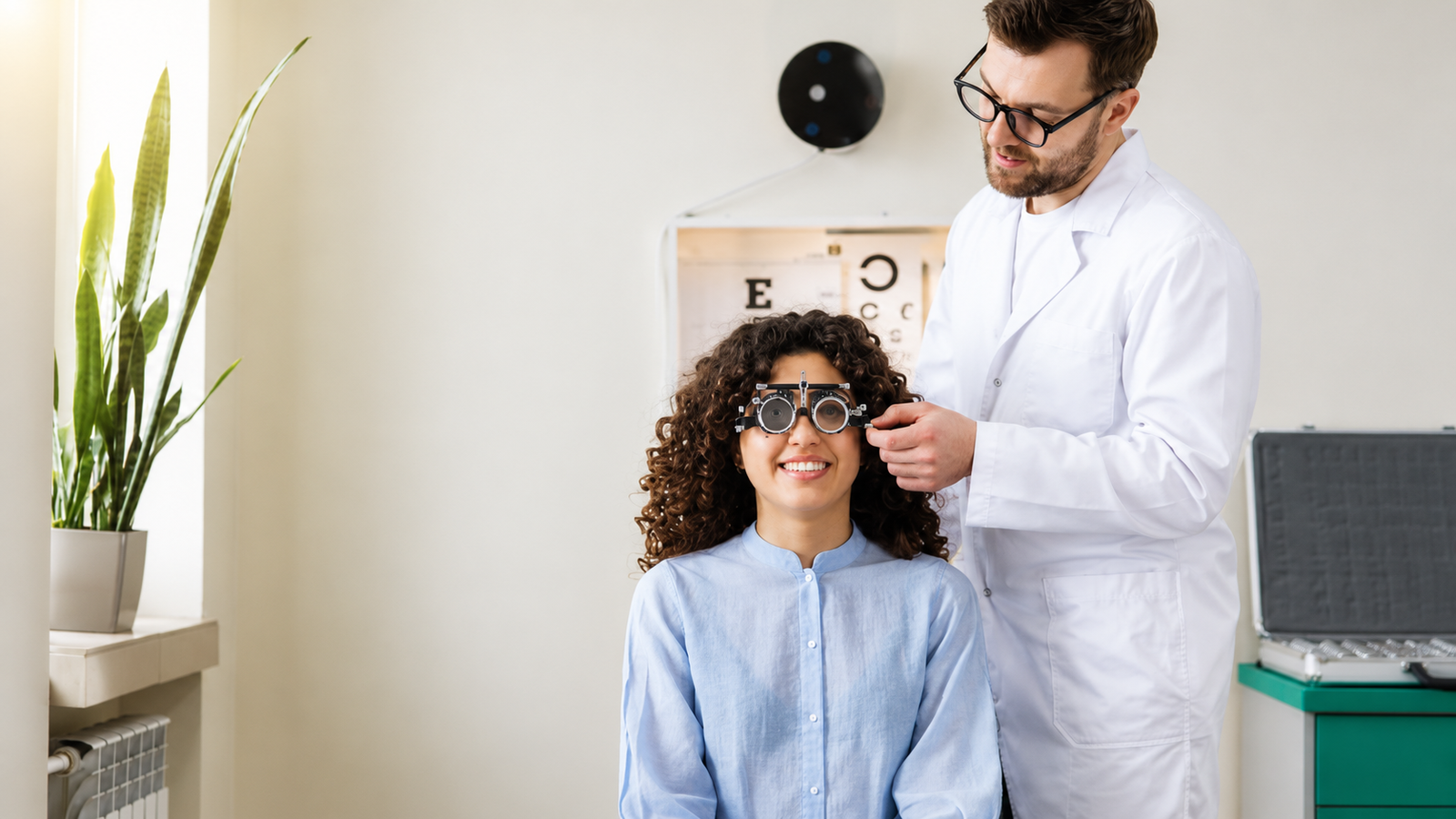
Persistent blur, double vision, pain, severe light sensitivity, frequent headaches, or symptoms in one eye need assessment. Sudden flashes, many new floaters, a curtain over vision, distortion, or vision loss is urgent.
Comprehensive exams can find dry eye, focusing problems, glaucoma, cataract, diabetes-related changes, or retinal disease that screen habits did not cause.
The bottom line
Lutein and zeaxanthin help form macular pigment, which naturally filters some blue-violet light. Supplementation is best understood as nutritional support for macular health and visual wellness rather than a substitute for sensible screen habits.
Use carotenoids as part of long-term eye-health support. Use breaks, blinking, ergonomics, light timing, and eye care for the screen problem in front of you.
Related Product

References
- American Academy of Ophthalmology. Can Vitamins Protect Against Blue Light Damage?
- National Eye Institute. AREDS/AREDS2.
- Cochrane Eyes and Vision. Blue-light filtering spectacle lenses for visual performance and sleep. Cochrane Database of Systematic Reviews. 2023.
These statements have not been evaluated by the Food and Drug Administration. This product is not intended to diagnose, treat, cure, or prevent any disease.
Related Articles

Lutein and Zeaxanthin: Why Are These Macular Pigments Taken Together?

What Is CoQ10? Benefits, Uses, and How It Supports Cellular Energy
