

When Should You Start Taking a Prenatal Vitamin?
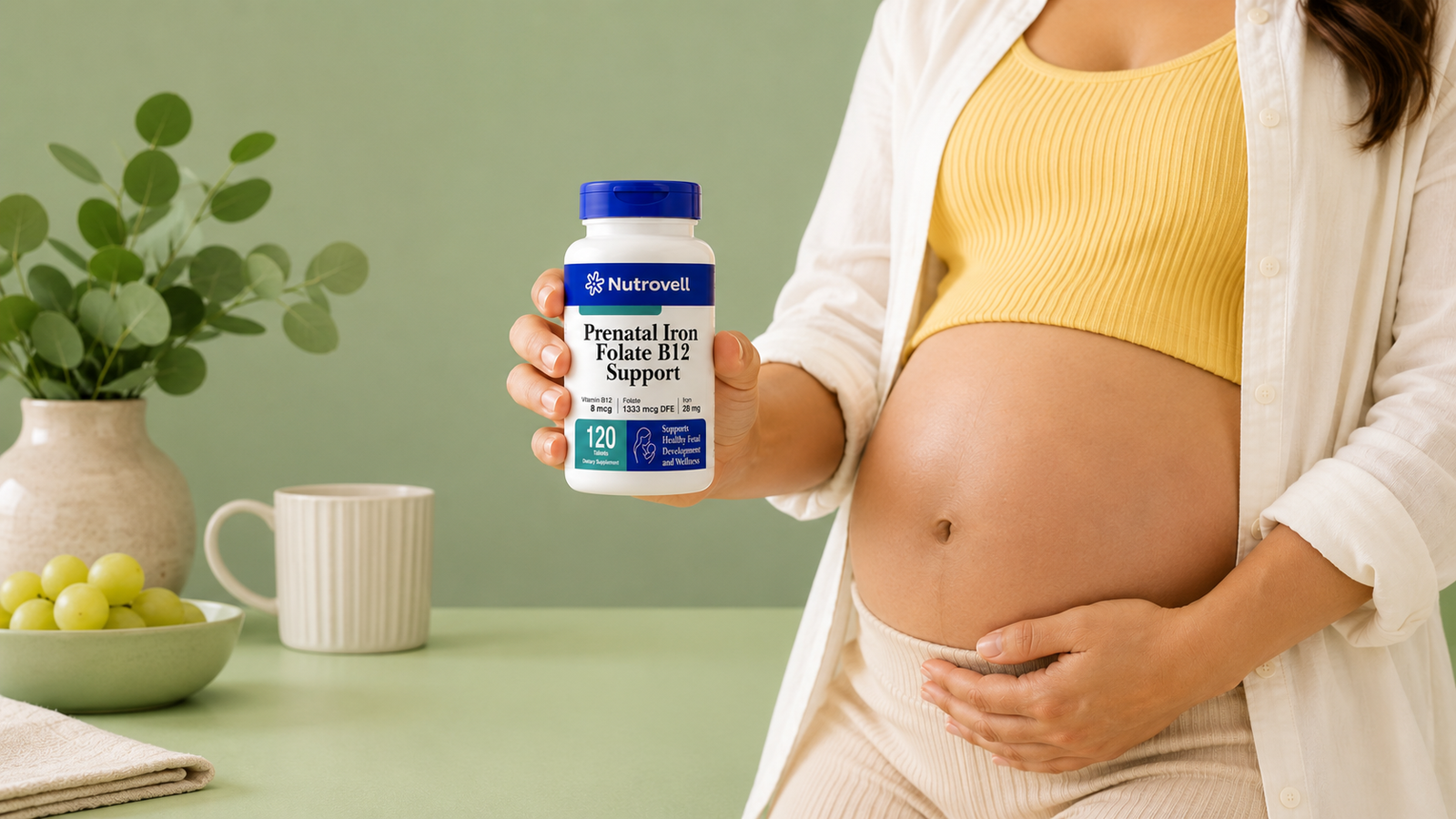
The most important weeks for a prenatal vitamin can arrive before a pregnancy test turns positive. The neural tube begins forming and closes early in embryonic development, often before someone knows they are pregnant. That is why preconception guidance focuses on folic acid before conception—not after the first appointment.
A prenatal is still useful later, but timing should begin with the possibility of pregnancy rather than a confirmed due date.
Start at least one month before trying
U.S. guidance recommends 400 to 800 micrograms of folic acid daily for people who can become pregnant, beginning at least one month before conception and continuing through early pregnancy. Many experts encourage a prenatal several months before trying because it also creates time to improve diet, manage side effects, and review medications.
People with a previous pregnancy affected by a neural tube defect or certain other high-risk situations may need a much higher prescribed folic acid dose. That is specialist guidance—not a reason to take several prenatals.
What if pregnancy was not planned?
Start an appropriate folic-acid-containing prenatal promptly and contact an obstetric healthcare professional. There is no benefit in feeling guilty about a missed preconception window. Prenatal nutrition remains important throughout pregnancy.
Use the visit to review prescriptions, over-the-counter medicines, herbs, alcohol, smoking, vaccines, chronic conditions, and occupational exposures. A vitamin cannot make an unsafe medicine or exposure safe.
Folate is only the beginning
Iron needs rise as blood volume expands. Iodine supports thyroid hormone and fetal brain development. Choline contributes to cell membranes and nervous-system development. Vitamin D, B12, calcium, zinc, and other nutrients also matter.
No prenatal is automatically complete. Choline and calcium are bulky and may be present in small amounts. DHA may require food or a separate clinician-approved product. Compare the exact label with diet and medical needs.
Nutrovell Prenatal Iron, Folate & B12 Support provides 13 vitamins and minerals in one daily tablet, including folate, iron, B12, calcium, and zinc. Its focused formula should be evaluated as part of the full prenatal plan, not by ingredient count alone.
Morning or night?
The best time is when the tablet can be taken consistently and tolerated. Nutrovell directs one tablet with the main meal and water. Food may reduce nausea, although it can reduce iron absorption depending on the meal.
If morning sickness makes breakfast impossible, dinner or an evening snack may be easier. Do not take an extra tablet after vomiting without guidance because absorption is unpredictable and duplication can become unsafe.
Iron can worsen constipation, a common pregnancy symptom. Fluids, dietary fiber, movement as approved, and a clinician-guided change in product or schedule can help.
Continue through pregnancy—and reassess afterward
Needs evolve across trimesters. Blood tests may identify iron deficiency requiring additional treatment. Gestational diabetes, vomiting, multiple pregnancy, bariatric surgery, vegan diets, and other conditions can change the plan.
After delivery, blood loss, breastfeeding, diet, and laboratory results influence duration. Some clinicians recommend continuing a prenatal during breastfeeding. Others tailor iron and individual nutrients. Do not stop or continue automatically based on the word “prenatal.”
Avoid accidental stacking
Do not combine a prenatal with a women's multivitamin unless instructed. Vitamin A, D, E, folate, iron, zinc, and other nutrients can duplicate.
Check antacids, hair supplements, fortified drinks, and standalone vitamin D or iron. Excess preformed vitamin A is especially concerning in pregnancy. Herbal “fertility” or “detox” products also need review; natural ingredients can affect hormones, the liver, or medicines.
The bottom line
Start a prenatal at least one month before conception when possible, because folic acid's most time-sensitive role occurs early. Continue through pregnancy under obstetric guidance and reassess after delivery.
The tablet is part of prenatal care, not the whole of it. Food, medication review, vaccination, screening, and regular care carry equal weight.
Related Product

References
- U.S. Preventive Services Task Force. Folic Acid Supplementation to Prevent Neural Tube Defects.
- American College of Obstetricians and Gynecologists. Nutrition During Pregnancy.
- National Institutes of Health, Office of Dietary Supplements. Dietary Supplements and Life Stages: Pregnancy.
These statements have not been evaluated by the Food and Drug Administration. This product is not intended to diagnose, treat, cure, or prevent any disease.
Related Articles

Folate vs. Folic Acid: Which Form Is Best Before and During Pregnancy?

Best Time to Take Cranberry Supplements—and What to Do When Symptoms Start
